









6 mins
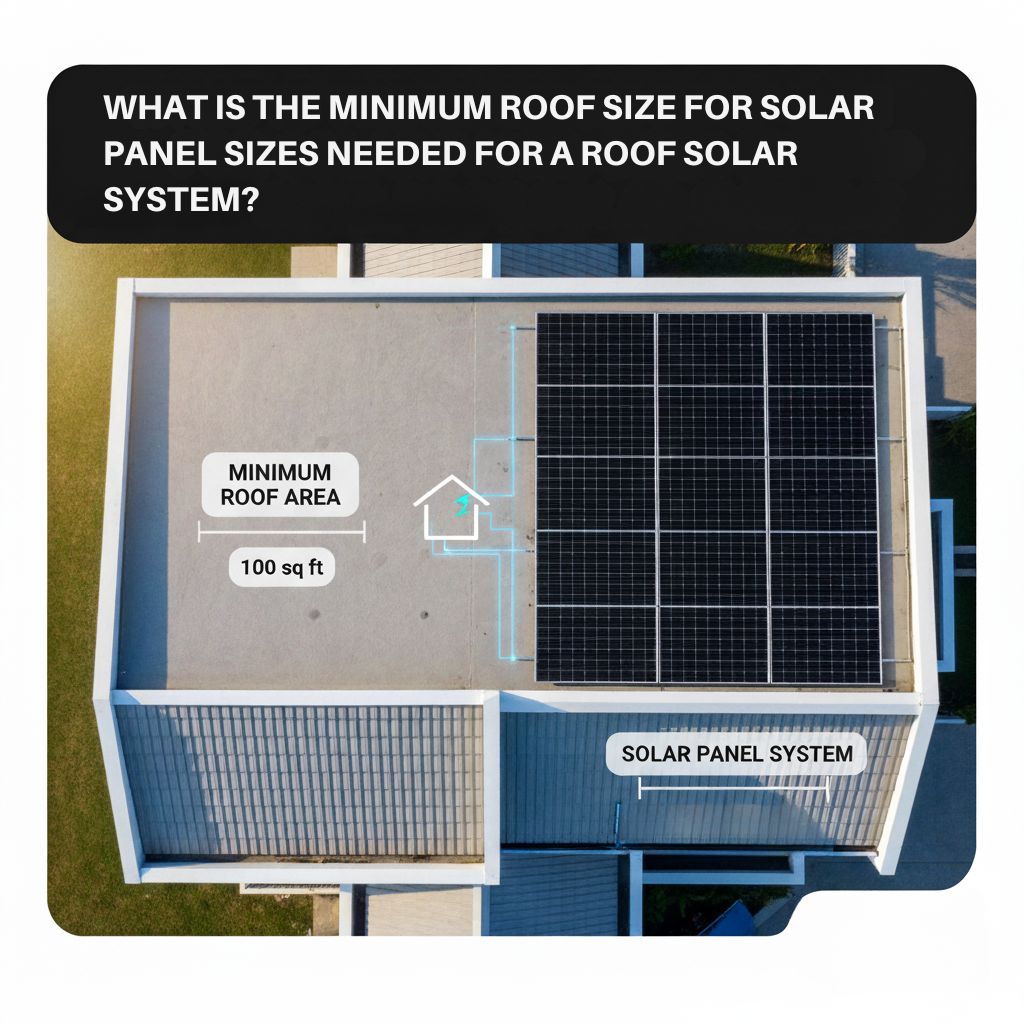
As energy prices rise and sustainability becomes more and more popular, homeowners are turning to solar energy. One of the first questions that people ask before getting started with a solar energy project is What is the minimum roof size for solar panels?
Considering the roof area for solar panels is important to define how many solar panels your house can hold, how much energy you will create, and also the most effective type(s) of system for you. Now, let’s consider this more closely.
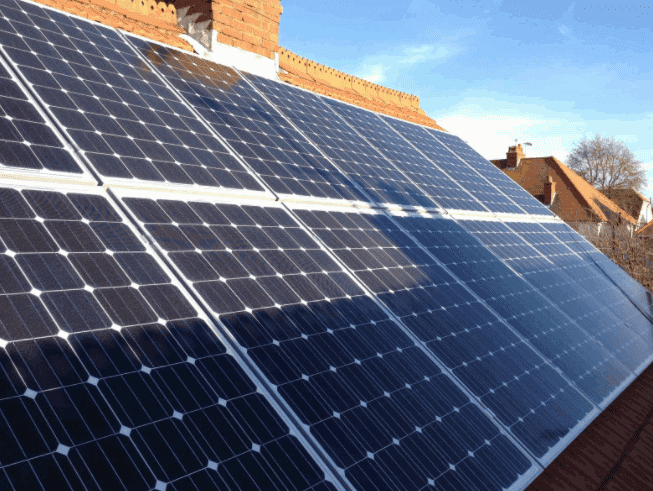
The area available for solar panel roof installation will directly influence how many panels you can install and the overall total power of your system. Each house is different — different types of roofing, angles of roofs, and orientations, and also the shading and design of your house will affect how well solar panels can be effective.
In general, the roof size for solar panels is dependent on your energy needs. For a household in India, for example, where the family unit normally consumes 300 units of electricity per month, you would need a system of about 3 kilowatts (kW), which on average would require around 300 square feet of area not covered by shade.
If there were larger, more complex family uses using, for example, 500–600 units of power consumption, you would need a system of about 5 kW, which would require an area not covered by shade of around 500 square feet.
To properly calculate the minimum roof size for solar panels, you will need to first consider:
A general rule of thumb:
Again, these numbers will change depending on the panel type and installation.
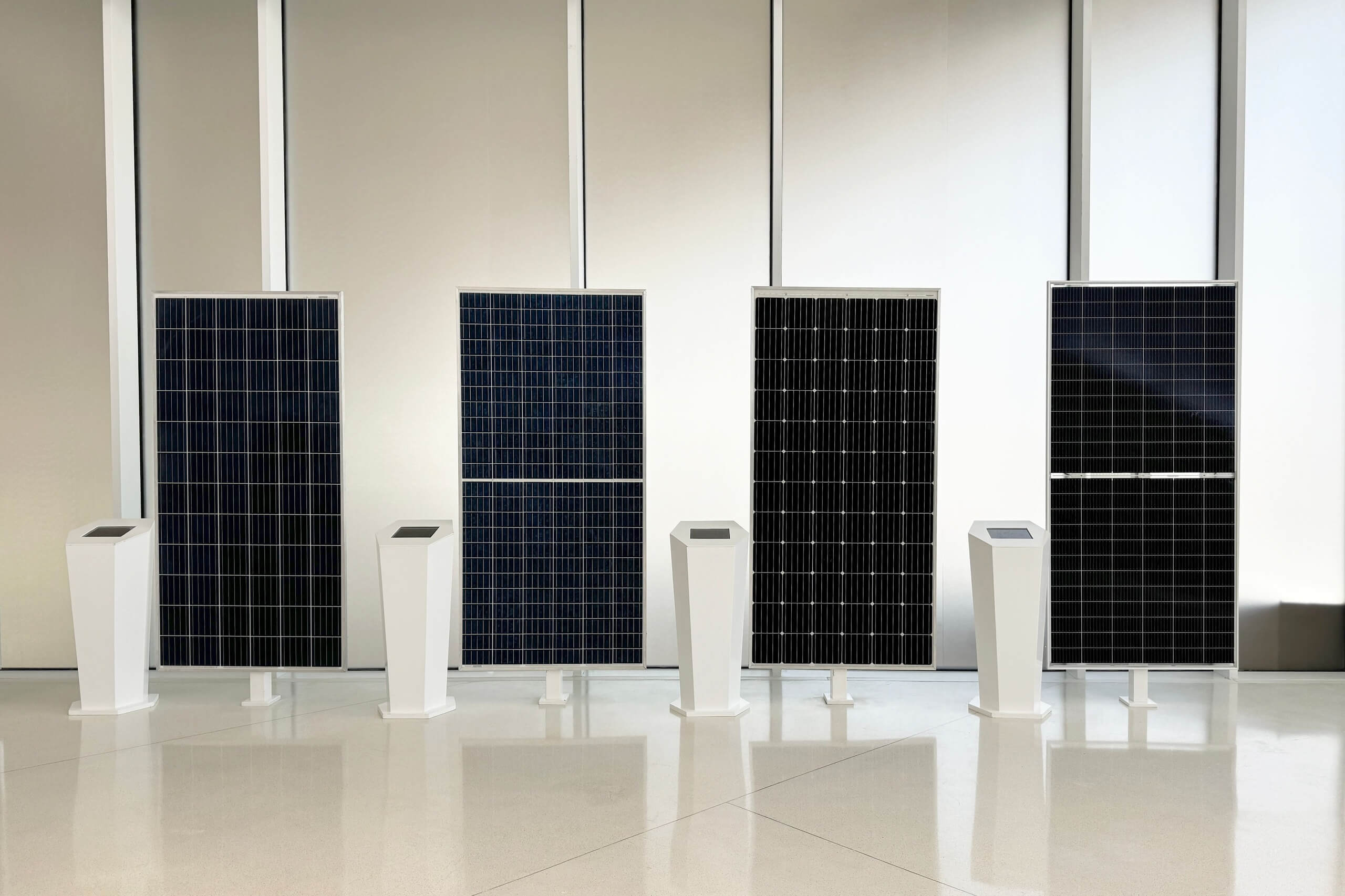
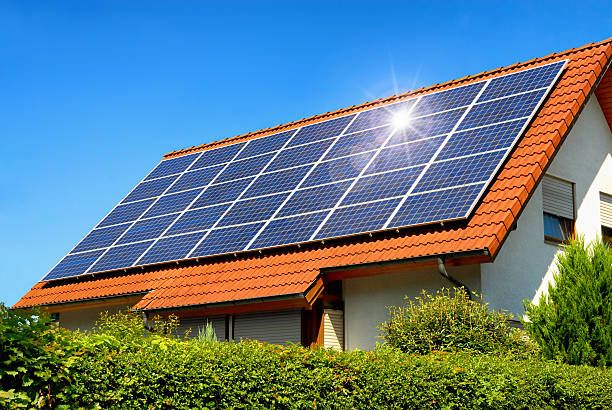
The selection of rooftop solar panels for the home depends on roof space and energy consumption. Two types of solar panels are commonly used in residential installations:
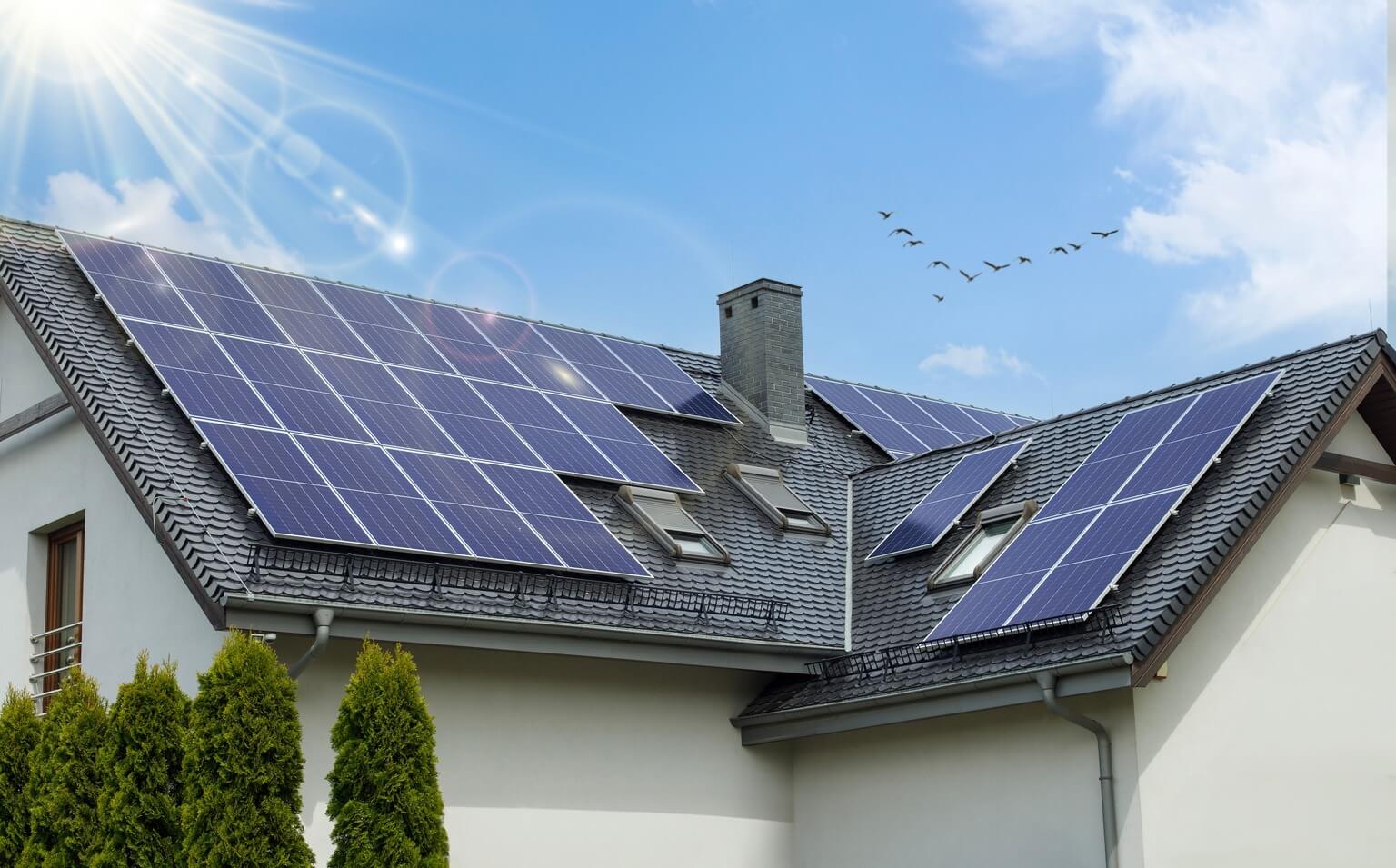
For a home where roof area is an issue, your best bet for maximum efficiency is to go with monocrystalline rooftop solar panels for home; they can create more energy in the same physical area. If you do have a larger roof area, polycrystalline panels can be a good solution.
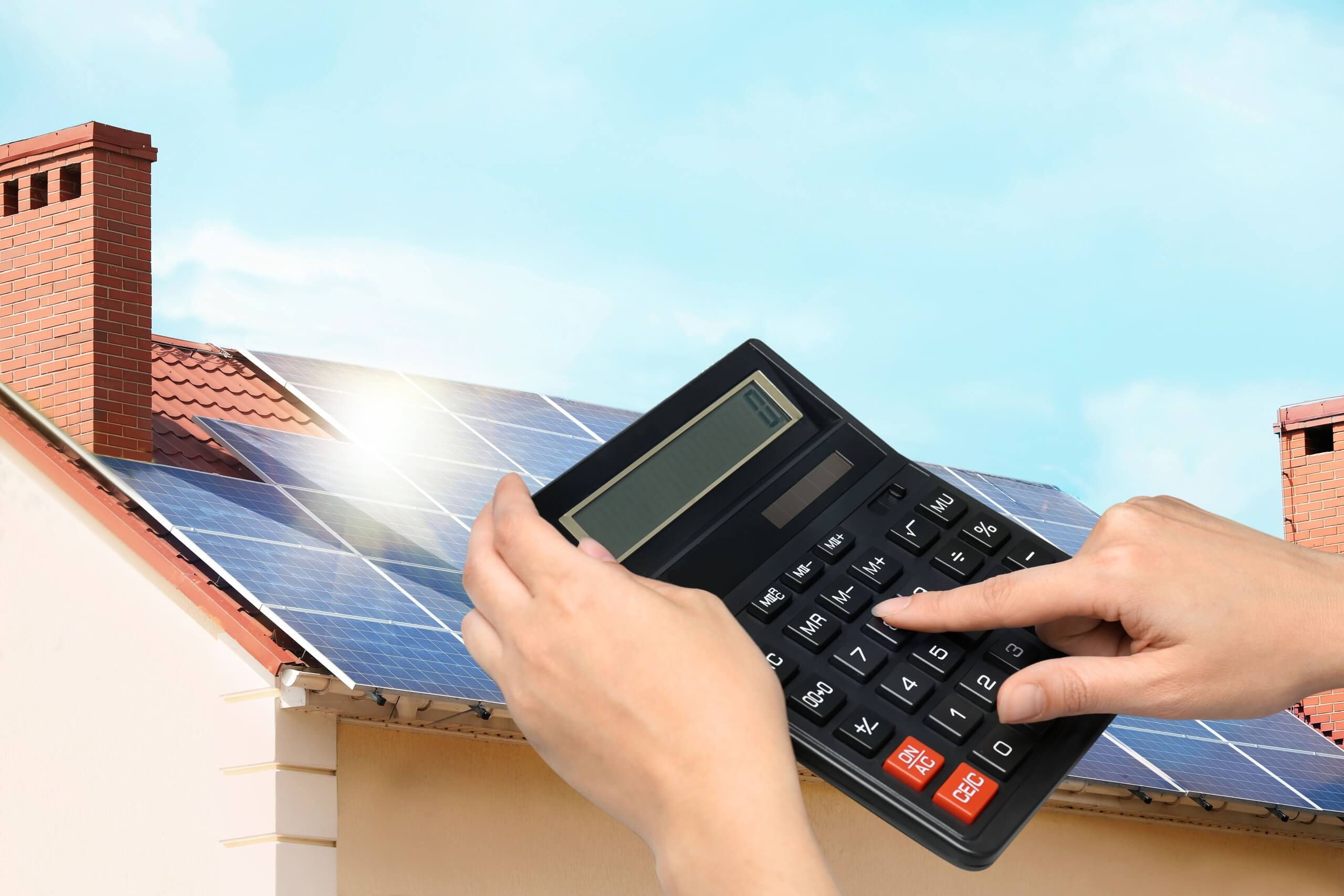
To help you with your designs, you can use a rooftop solar calculator or a rooftop calculator to see how much solar capacity you could use on your roof.
You will be able to:
Waaree’s rooftop solar calculator will allow you to visualise the solar potential for your rooftop, as well as give you factual information and help you prepare for your rooftop solar system.
Solar panel size charts are used to help correlate the area of your roof to the potential production from it. For example:
| System Capacity (kW) | Approx. Area Required (sq. ft.) | Average Units Generated/Month |
| 1 kW | 100 | 120–140 |
| 3 kW | 300 | 350–400 |
| 5 kW | 500 | 550–600 |
| 10 kW | 1,000 | 1,100–1,200 |
This solar panel size chart should give you a good idea of the minimum roof area needed for solar panels for your home.
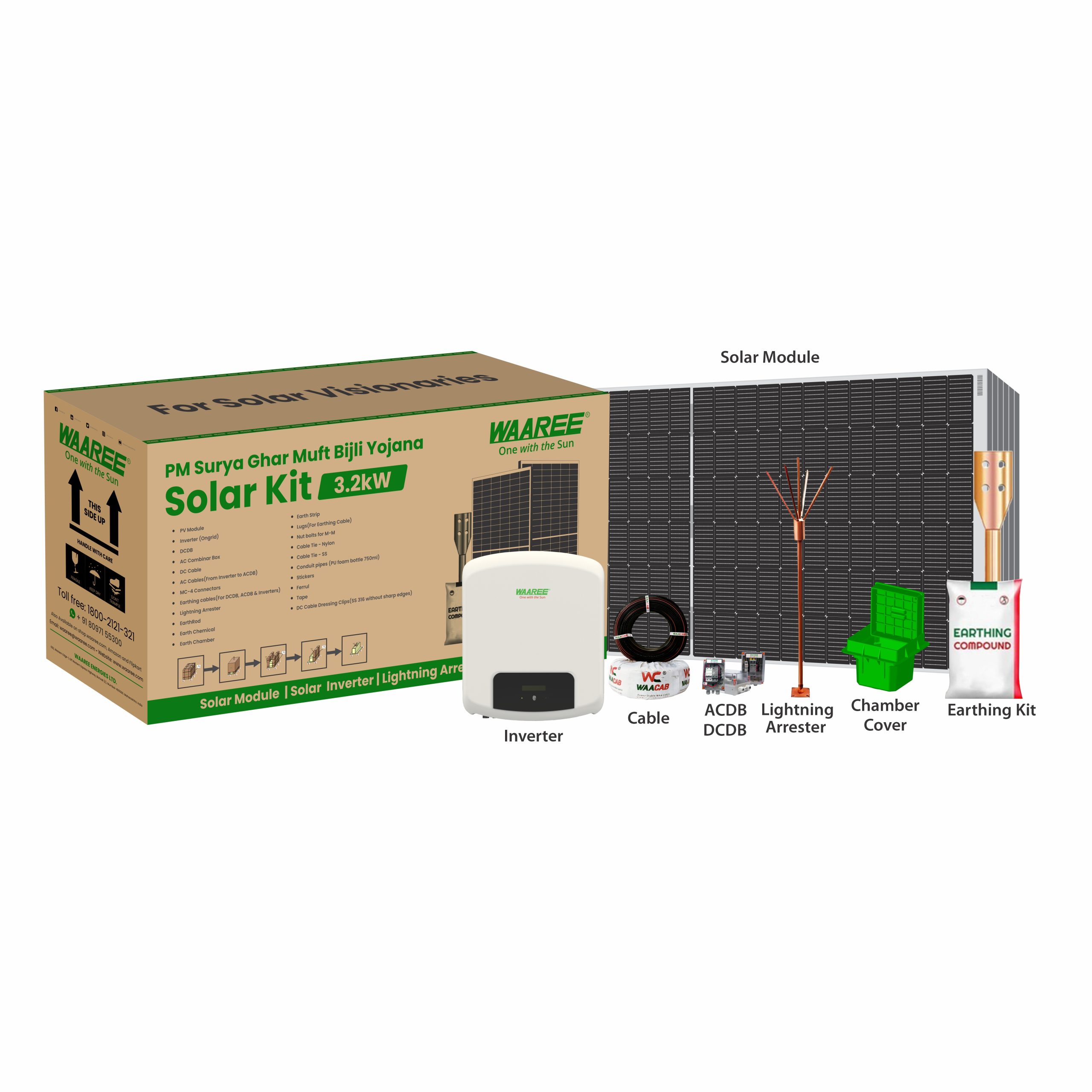
Once you determine the available roof size for solar panels, the next step is building and fitting rooftop solar systems for your daily energy needs. A certified installer, such as Waaree, would be good with assessing your roof potential and panels to choose from and ensure the installation is done to create optimal energy production.
Rooftop solar panels for a home that are well built not only reduce your electric bill but also increase the value of your property, as they contribute to a sustainable future.
The minimum roof size for solar panels varies with your energy need, roof, and panel efficiency type. You may be surprised with what area and capacity you can obtain when utilising different tools, including the solar panel size chart and calculator, as every roof is different.
If you’re interested in obtaining information about rooftop solar panels for the home, please consider Waaree solar energy brand in India, which can assist with consultative support, product selection, and installation support. Make the switch to solar and become independent!