




4 mins
As global cities expand vertically and sustainability becomes a design imperative, Green Building frameworks such as the U.S. Green Building Council’s LEED program and the Indian Green Building Council (IGBC) are redefining how modern infrastructure is planned. With buildings responsible for ~40% of global energy-related CO₂ emissions, the shift from “energy-efficient” to net zero buildings is no longer optional—it’s urgent.
Amid this transformation, Building-Integrated Photovoltaics (BIPV) has emerged as one of the most powerful enablers of on-site renewable energy generation, unlocking new potential for architects, engineers, and green consultants.
What is BIPV and Why It Matters Today
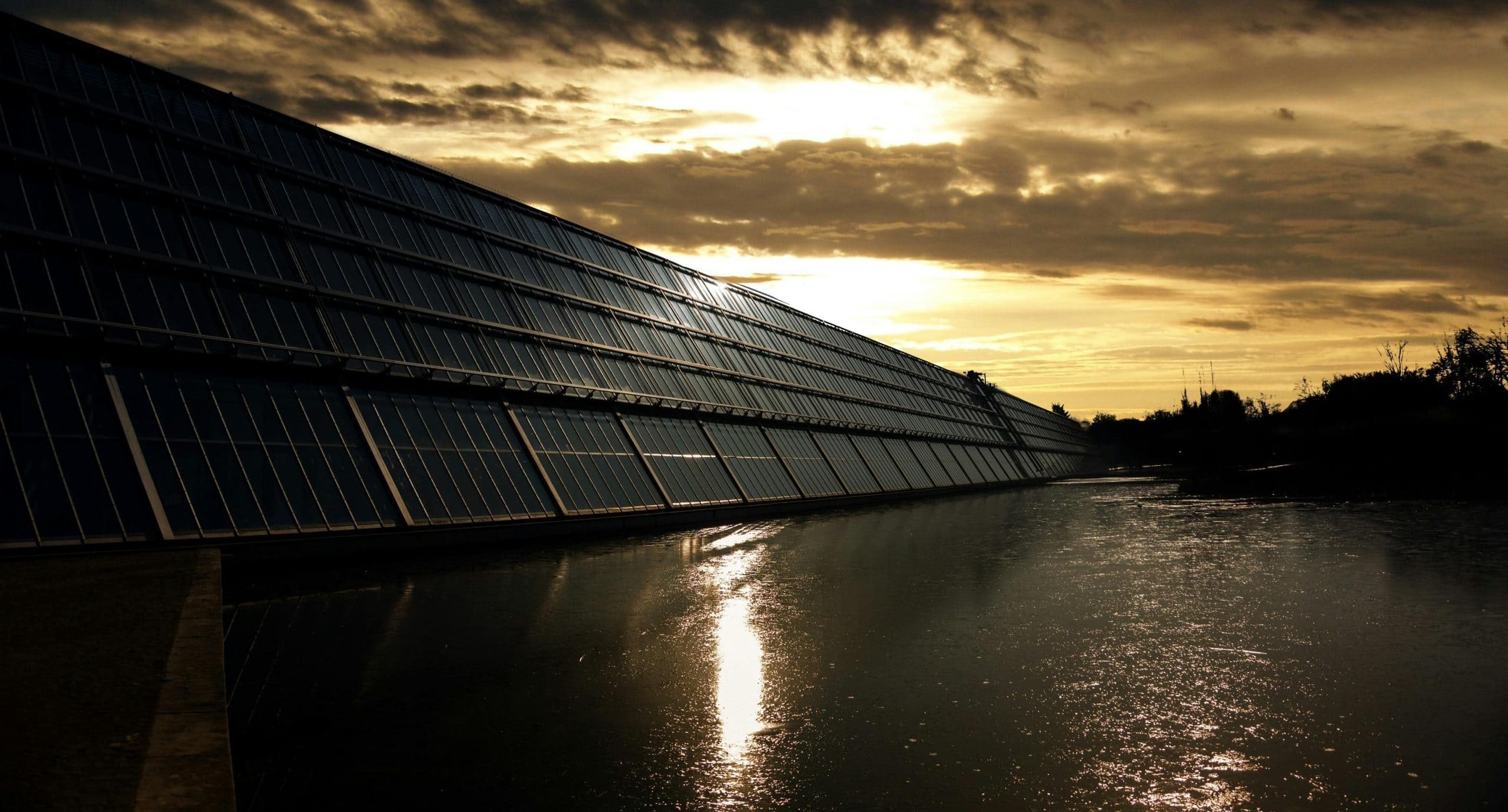
BIPV (Building-Integrated Photovoltaics) replaces conventional building materials—glass, façades, skylights, railings—with solar-generating surfaces. Instead of installing panels only on rooftops, BIPV turns the building envelope itself into an energy-producing asset.
The timing couldn’t be better. The GlobalABC reports that the world will add 230 billion sq. m. of new floor area by 2060, equal to constructing an entire New York City every month. Much of this new infrastructure—corporate towers, IT parks, airports, commercial complexes, luxury homes—features heavy use of glass and façade elements. These surfaces, once passive, now represent immense untapped solar potential.
The Net Zero Opportunity
Frameworks like LEED Zero, IGBC Net Zero Energy, and national energy codes mandate significant on-site renewable power. However, rooftop solar alone is inadequate for most high-rise and commercial buildings because:
BIPV solves this by unlocking vertical and peripheral surfaces, often providing 5–10 times the surface area of rooftops. This makes true net zero achievable—even for dense urban projects.
What Architects & Green Consultants Struggle With
Despite technology advancements, achieving net zero is still challenging due to:
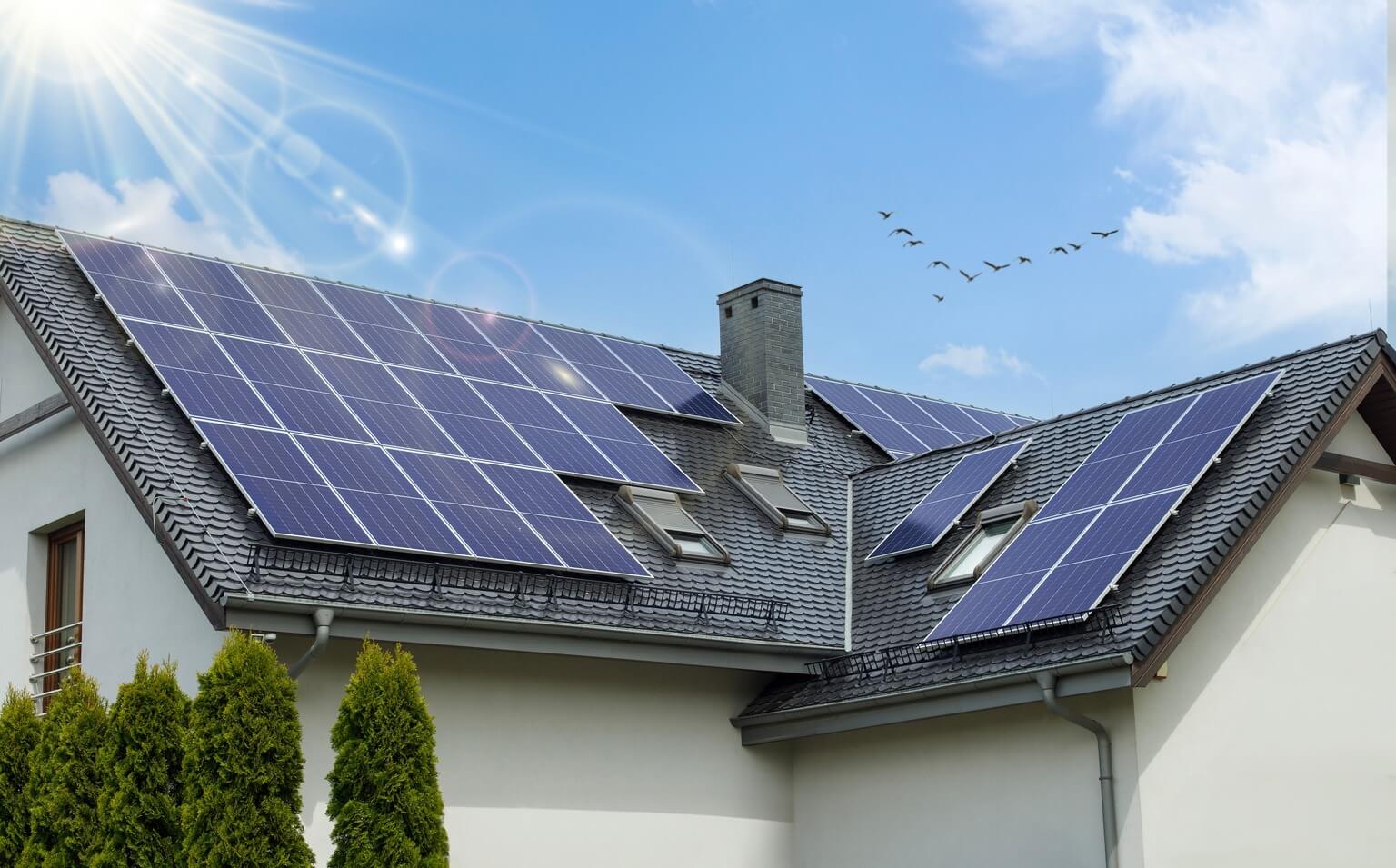
Most commercial buildings generate only 5–10% of their energy needs from rooftop solar.
Façade uniformity and design language frequently restrict the use of traditional PV modules.
Certifications increasingly require on-site generation rather than renewable energy credits.
Façade loads, shading, and thermal behavior complicate conventional solar planning.
How BIPV Changes This
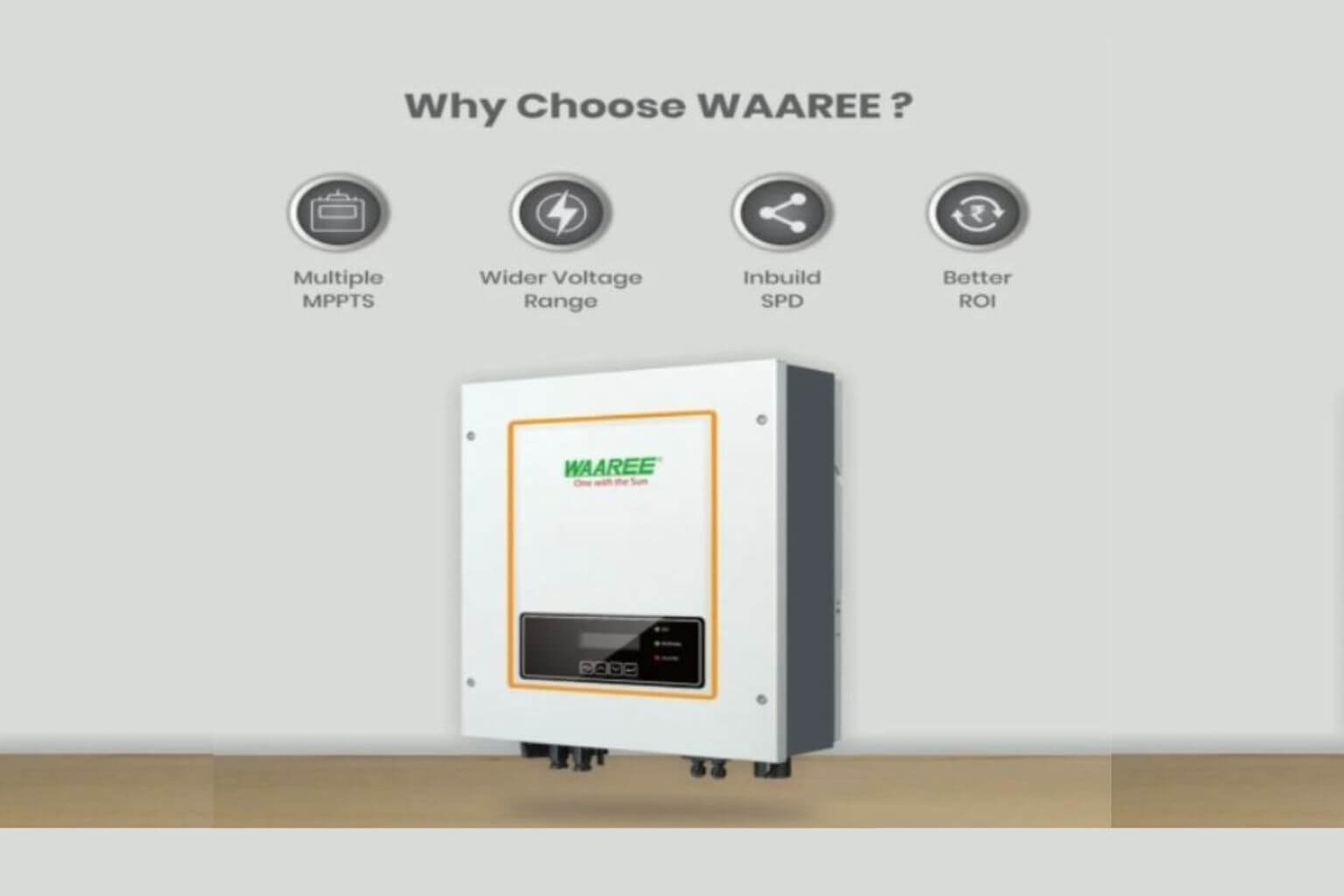
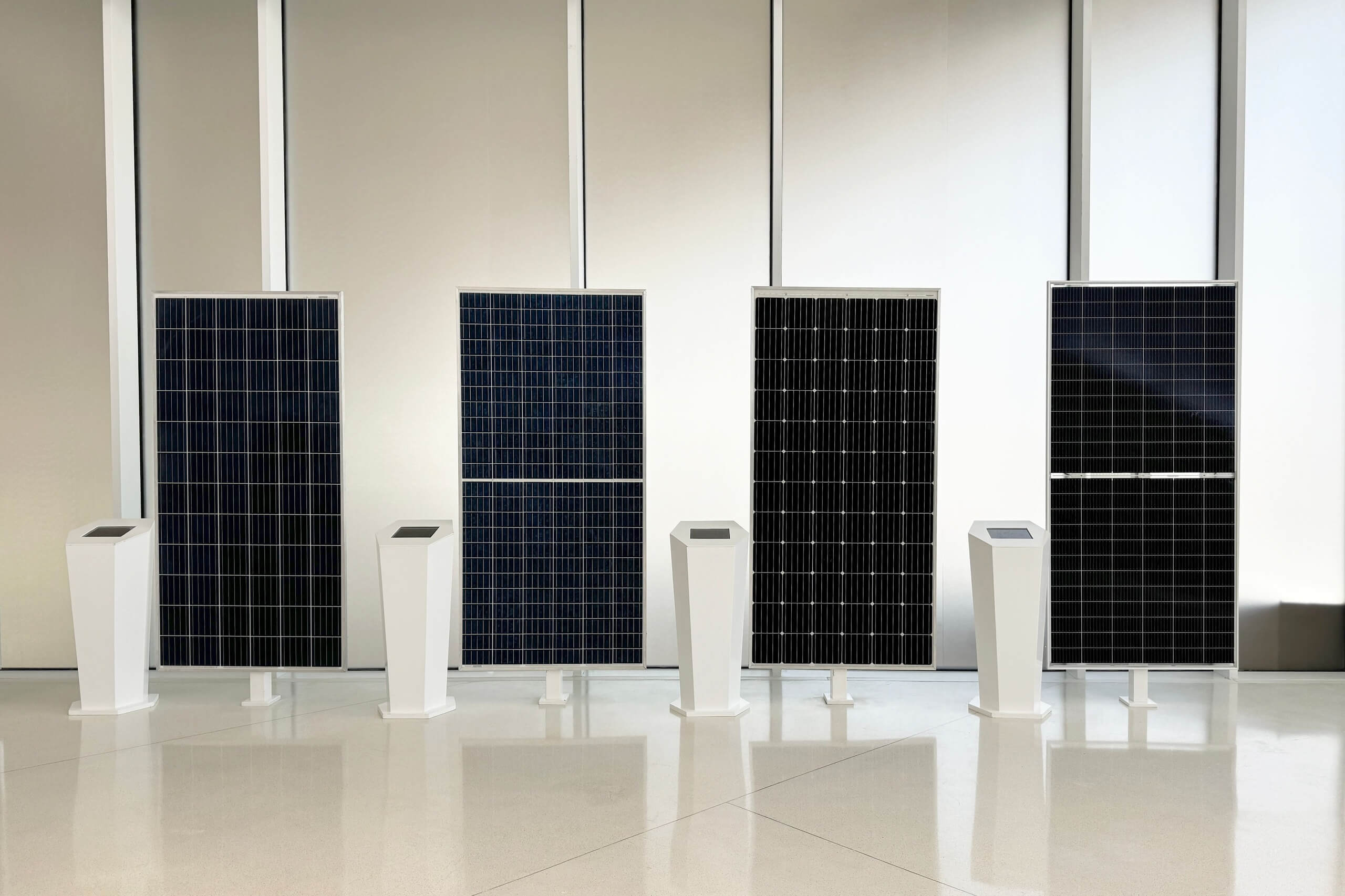
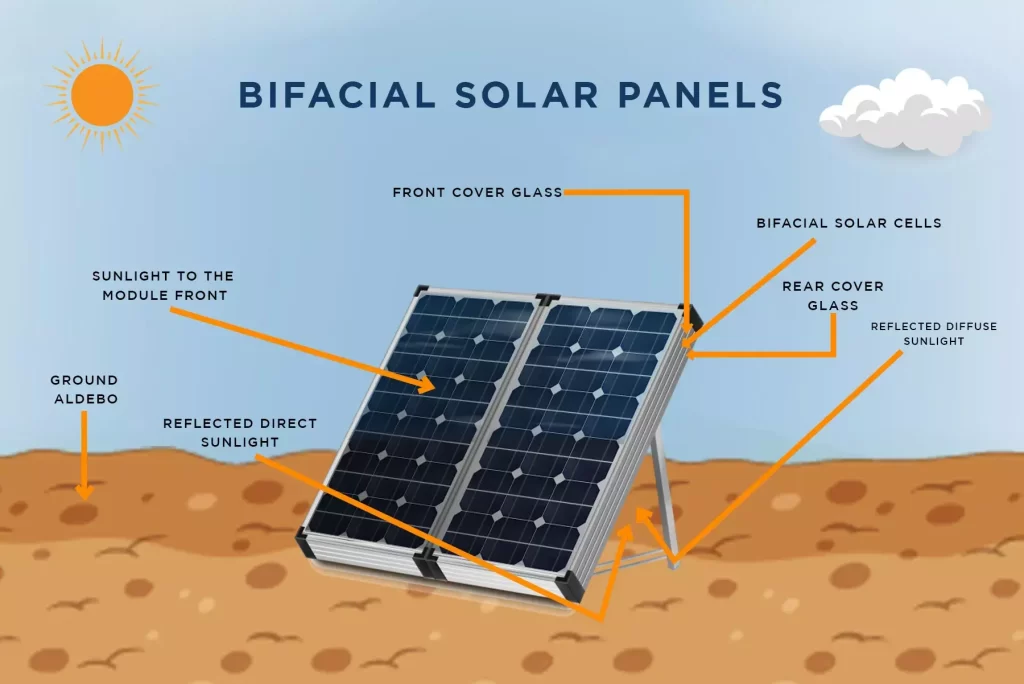
Waaree’s modules, ranging from 170 W to 460 W depending on configuration, offer high efficiency, excellent low-light performance, and robust mechanical strength—ideal for façades, skylights, pergolas, and railings. The datasheet also highlights backside power gain through bifaciality, improving yield even in shaded or indirect light conditions.
A Realistic Example: An IT Office Building
Consider a 200,000 sq.ft. IT office, a typical structure in urban tech parks.

Combined Impact
Rooftop + BIPV generation ≈ ~5,900 kWh/day, covering 50–60% of energy demand.
With efficiency upgrades (HVAC, lighting, automation), net zero becomes achievable—a milestone impossible with rooftop solar alone.
Why BIPV Aligns Perfectly with Global Green Building Codes
USGBC (LEED)
BIPV supports credits in:
IGBC
BIPV helps achieve:
Both councils prioritize material substitution + energy generation, where BIPV delivers dual value without additional land or structural space.
Introducing Waaree’s BIPV Solutions
Waaree’s BIPV series offers:
Waaree’s BIPV ensures that buildings are not just sustainable, but visually iconic.
As global construction accelerates and green regulations intensify, the future of sustainable architecture will depend on how effectively buildings generate their own clean energy. BIPV transforms the building envelope into a renewable energy powerhouse, making net zero not just aspirational but practical.
For architects, green consultants, and developers, BIPV is the bridge between design ambition and sustainability mandates. And with Waaree’s advanced BIPV solutions, India and the world are ready to build the next generation of high-performance, climate-responsive structures.